
Table of Contents
Welcome to the vibrant and nutritious world of vegetables! These garden-fresh delights come in all shapes, sizes, and colors, each bringing its own crunch, flavor, and health benefits to our plates. Vegetables are more than just side dishes—they’re the stars of many meals, packed with vitamins, minerals, and fiber that keep us strong and healthy.
For children, learning about vegetables is an exciting way to explore the natural world and discover the foods that help them grow. From leafy greens to root vegetables, each type has its own unique taste and story.
Let’s get to know these garden treasures better through our vocabulary journey!
Vegetable names in English list
Vegetables are as colorful and varied in their language as they are in their appearance and taste. This first set of vegetables are featured in Studycat’s Learn English app for kids, where millions of students learn English through fun and repetition!
Here’s a harvest of vegetable vocabulary to enrich your English and your meals:
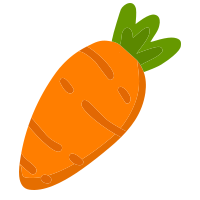 carrot
A long, tapered orange vegetable that grows underground.
“She added chopped carrots to the soup for extra sweetness and color.”
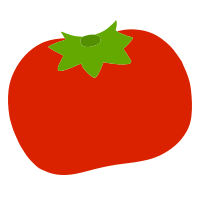 tomato
A red or yellowish fruit with a juicy pulp, used as a vegetable in cooking.
“He planted tomato seeds in the garden, looking forward to fresh tomatoes in summer.”
 potato
A starchy plant tuber that is one of the most important food crops, cooked and eaten in numerous ways.
“Mashed potato is her favorite side dish with grilled chicken.”
 onion
onion
A bulbous plant with a strong taste and smell, used in cooking to add flavor.
“Chopping an onion always makes me tear up.”
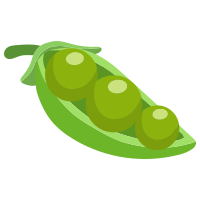 pea
pea
A small green seed or the seed-pod of a pod fruit (yup, a fruit!), but eaten as a vegetable.
“Fresh peas from the pod taste sweet and are great in salads.”
 bean
bean
An edible seed, typically kidney-shaped, growing in long pods on certain leguminous plants.
“Beans are a great source of protein and fiber in the diet.”
Root vegetable names in English
Root vegetables are grown underground and are known for their hearty flavors and nutritional value. These vegetables are often used in soups, stews, and roasts, adding a rich, earthy taste to our meals.
carrot
A long, tapered orange vegetable that grows underground.
“She added chopped carrots to the soup for extra sweetness and color.”
potato
A starchy tuber that is a staple food, often mashed, baked, or fried.
“Mashed potato is her favorite side dish with grilled chicken.”
beetroot
A deep red or purple root vegetable with a sweet, earthy flavor.
“Beetroot is often used in salads and juices for its vibrant color.”
turnip
A round root vegetable with white flesh and a slightly peppery taste.
“Turnips are delicious when roasted with herbs.”
radish
A small, round vegetable with a red or white skin and a sharp, peppery flavor.
“She sliced radishes to add a crunchy bite to the salad.”
sweet potato
A large, sweet-tasting root vegetable with orange flesh.
“Sweet potatoes are perfect for baking or making fries.”
parsnip
A pale, tapered root vegetable with a sweet, nutty flavor.
“Parsnips add a unique taste to roasted vegetable medleys.”
rutabaga
A root vegetable similar to a turnip, with yellow flesh and a sweet flavor.
“Rutabaga is often used in soups and stews.”
yam
A starchy tuber similar to sweet potato but usually drier and starchier.
“Yams are often used in savory dishes and stews.”
Leafy greens names in English
Leafy greens are packed with nutrients and are often used in salads, sandwiches, and as cooked side dishes. These vegetables are known for their fresh, crisp texture and vibrant green color.
lettuce
A leafy green vegetable often used as the base for salads.
“Lettuce adds a fresh crunch to any meal.”
spinach
A dark green leafy vegetable that is rich in iron and vitamins.
“She sautéed spinach with garlic for a quick, healthy side dish.”
kale
A hearty green vegetable with curly or flat leaves, known for its high nutrient content.
“Kale chips are a crunchy and healthy snack.”
cabbage
A dense, leafy vegetable that comes in green, red, or purple varieties.
“Cabbage is great for making coleslaw or adding to stir-fries.”
arugula
A peppery green often used in salads for its bold flavor.
“Arugula adds a spicy kick to salads and pizzas.”
collard greens
Large, dark green leaves often used in Southern cooking, typically boiled or sautéed.
“Collard greens are a traditional dish in many Southern meals.”
Swiss chard
A leafy green with colorful stems, often used in sautés and soups.
“Swiss chard brightens up dishes with its vibrant colors.”
bok choy
A type of Chinese cabbage with crisp white stems and green leaves.
“Bok choy is a common ingredient in Asian stir-fries and soups.”
mustard greens
Spicy green leaves often used in Southern and Asian cuisines.
“Mustard greens add a zesty flavor to soups and stews.”
Cruciferous vegetable names in English
Cruciferous vegetables are known for their unique flavors and powerful health benefits. These vegetables are often used in salads, stir-fries, and as side dishes, adding a distinctive taste to meals.
broccoli
A green vegetable with a thick stalk and large flowering head, often eaten cooked.
“Broccoli is delicious steamed with a little butter.”
cauliflower
A white, dense vegetable with a mild flavor, often used as a low-carb substitute.
“Cauliflower can be roasted, mashed, or even turned into rice.”
brussels sprouts
Small, round green vegetables that look like mini cabbages, often roasted or steamed.
“Brussels sprouts are delicious when roasted with olive oil and garlic.”
cabbage
A leafy green vegetable with a firm, round head, used in salads and cooked dishes.
“Cabbage is great for making coleslaw or adding to soups.”
kohlrabi
A bulbous vegetable with a taste similar to broccoli stems, often eaten raw or cooked.
“Kohlrabi can be sliced and added to salads for a crunchy texture.”
radishes
Small, round vegetables with a sharp, peppery flavor, often used in salads.
“Radishes add a crisp, spicy bite to dishes.”
watercress
A peppery green often used in salads and sandwiches.
“Watercress adds a zesty flavor to salads and soups.”
bok choy
A type of Chinese cabbage with crisp white stems and green leaves, often used in stir-fries.
“Bok choy is a common ingredient in Asian cuisine.”
Names of nightshade vegetables in English
Nightshade vegetables are a diverse group known for their rich colors and flavors. They are commonly used in a variety of dishes, from salads to stews, and add depth to many recipes.
tomato
A red or yellowish fruit with juicy pulp, often used as a vegetable in cooking.
“Tomatoes are essential for making sauces, salads, and soups.”
eggplant
A dark purple vegetable with spongy flesh, often used in Mediterranean and Asian dishes.
“Eggplant is perfect for grilling or making into dips like baba ganoush.”
bell pepper
A sweet pepper that comes in various colors, including red, yellow, and green.
“Bell peppers add color and crunch to salads and stir-fries.”
chili pepper
A small, spicy pepper used to add heat to dishes.
“Chili peppers are used to spice up salsas and sauces.”
potato
A starchy tuber that is a staple food, often boiled, baked, or fried.
“Potatoes are versatile and can be cooked in many ways.”
sweet potato
A sweet-tasting root vegetable with orange flesh, often used in baking.
“Sweet potatoes are delicious roasted or mashed.”
tomatillo
A small, green fruit with a papery husk, often used in Mexican cooking.
“Tomatillos are the key ingredient in green salsa.”
pimento
A mild, sweet red pepper often used in stuffing olives or making pimento cheese.
“Pimentos add a mild flavor to various dishes.”
Beans and legumes names in English
Beans and legumes are a staple in many diets around the world, known for their high protein content and versatility. These vegetables can be used in soups, stews, salads, and more.
green beans
Long, slender green vegetables that are often steamed or sautéed.
“Green beans are a fresh, crunchy side dish.”
peas
Small, round green seeds often used in soups, stews, and salads.
“Peas are sweet and add color to many dishes.”
lentils
Small, lens-shaped seeds that are high in protein and often used in soups and stews.
“Lentils are a hearty addition to soups and curries.”
chickpeas
Round, beige legumes often used in Mediterranean and Middle Eastern dishes.
“Chickpeas are the main ingredient in hummus.”
black beans
Small, black legumes often used in Latin American cuisine.
“Black beans are great in burritos and soups.”
kidney beans
Large, red beans shaped like kidneys, often used in chili and stews.
“Kidney beans are essential for a hearty chili.”
soybeans
Green or yellow legumes that are often processed into tofu, soy milk, or edamame.
“Soybeans are a major source of protein in vegetarian diets.”
pinto beans
Speckled beans often used in Mexican cuisine.
“Pinto beans are perfect for refried beans and stews.”
edamame
Young soybeans often served in the pod as a snack or appetizer.
“Edamame is a popular snack in Japanese cuisine.”
Exploring the world of vegetables enhances not just our meals but also our ability to communicate about health, cooking, and gardening in English. Studycat’s fun-loving characters make learning these vegetable names a joyous and engaging activity.
How to Learn and Remember Vegetables Words
Delving into the world of vegetables with Studycat turns each meal and snack into a vibrant learning opportunity. Here are some fresh and fun ways to practice these vegetable words:
- Vegetable garden: If possible, grow some of these vegetables at home. Watching them grow brings the vocabulary to life.
- Cook together: Prepare dishes using these vegetables, discussing each one as you add it to your recipe.
- Vegetable arts and crafts: Create art projects based on these vegetables, like potato stamping or carrot painting.
- Memory match game: Make a matching game with pictures of the vegetables and their names.
- Vegetable tasting: Have a tasting session where you try each vegetable raw or cooked and describe the taste using the new vocabulary.
As we close the garden gate on today’s lesson, remember that each vegetable we learn about adds a layer of richness to our dietary habits and our language skills. With Studycat’s interactive approach, discovering the world of vegetables becomes a nourishing journey for both mind and body.
Until our next green and leafy adventure, keep exploring the wholesome world of vegetables!


